
Page 4
Guides and news on digital evidence.
Articles from C.E.R.T.O., LOCUS and Probatio: each card leads to the guide or news item on the site that publishes it. The three programs →
-

Photo authenticity in the age of AI: spotting fakes is no longer enough
Every month generators improve and detectors age. Anyone defending real evidence cannot chase — they need to prove where their image came from.
Read → -
RFC 3161 timestamps: how they actually work
Your computer's clock can be set by hand in three seconds. A timestamp is the way to have the time stated by someone with no reason to lie, and stated so that anyone can check it.
Read → -
Screenshot as evidence: how to capture it in 6 steps
A screenshot saved manually is an image anyone can retouch. Here is how to have the software produce and seal it instead, in six steps.
Read → -

How the opposing party verifies photographic evidence (and why that helps you)
Letting the other side check everything sounds counterintuitive. It is the only way to make evidence indisputable: if they can verify it and find nothing, they have nothing left to argue.
Read → -
BagIt RFC 8493: the case file that verifies itself
A digital case file verifiable only with the software that created it is not a case file: it is a hostage. BagIt solves this the oldest way: everything in the clear, in text files, with hashes anyone can recompute.
Read → -
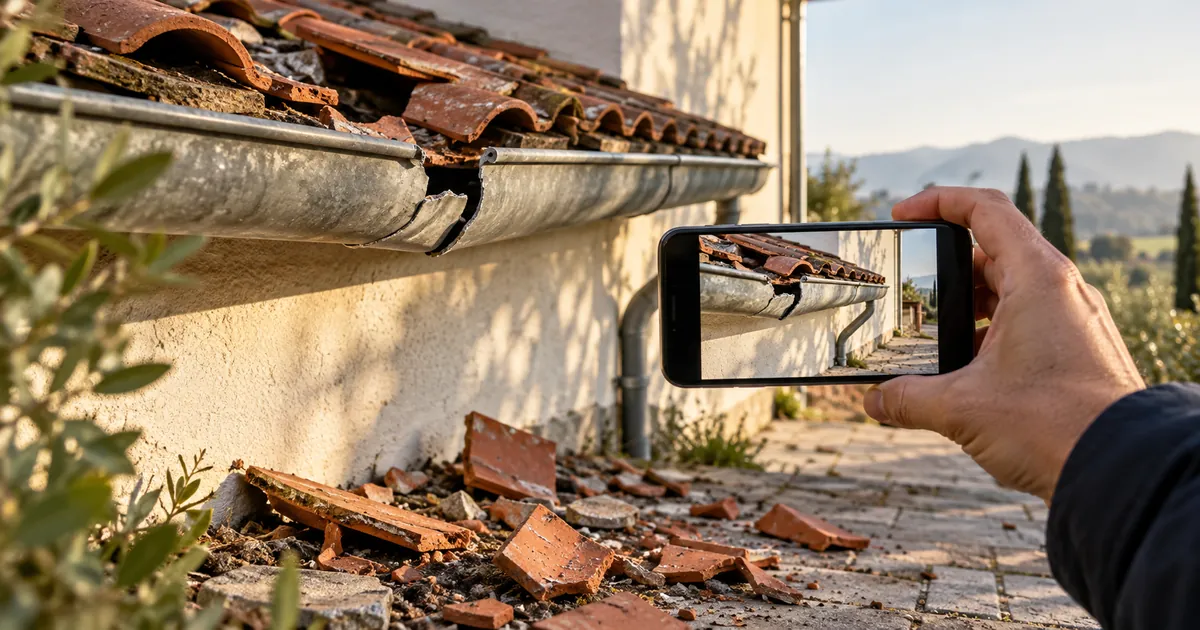
Damage surveys for loss adjusters: how to stop the date being challenged
A survey is rarely challenged on the merits. It is challenged on the date, on integrity, and on what was left outside the frame. Three doors that close on site, not afterwards.
Read → -
ssdeep and fuzzy hashing: how CTPH works
Between the cryptographic hash, which shouts «different!» over one bit, and the perceptual one, which squints at images, sits fuzzy hashing: how alike are two files, as sequences of bytes?
Read → -
Digital signature formats: p7m, PAdES, XAdES, JAdES
A file called contract.pdf.p7m lands in your inbox and your computer has no idea what to do with it. They are all digital signatures, and the container simply depends on what you are signing.
Read → -
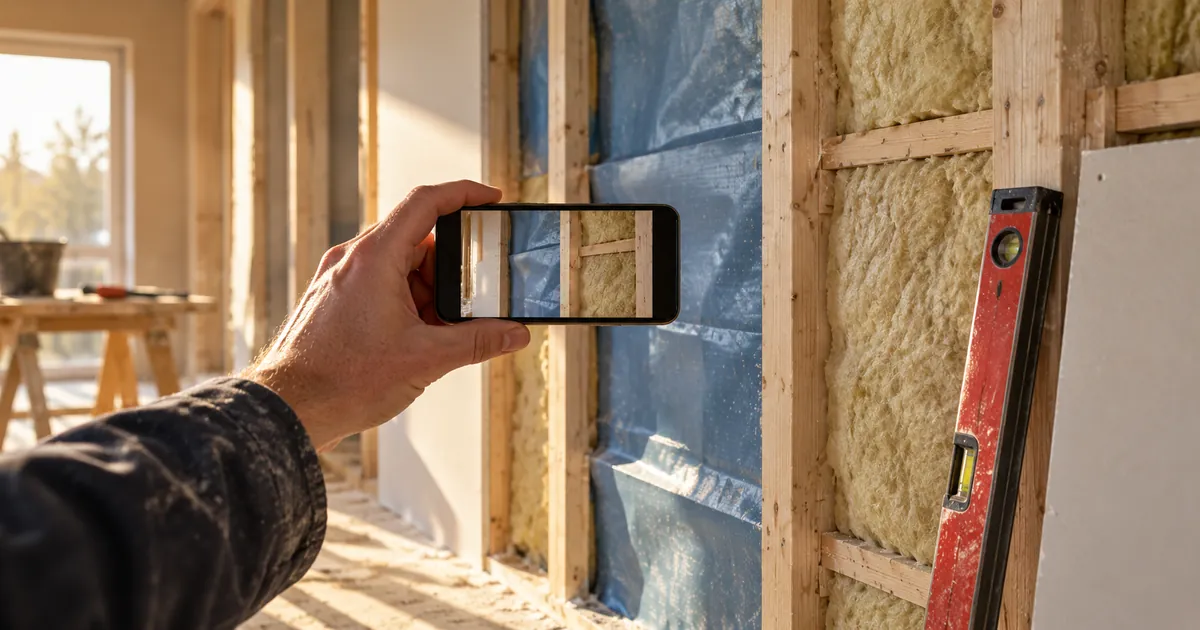
Construction sites: documenting progress and site conditions defensibly
The problem with a building site is that what you document disappears under something else. When the dispute comes, your photo is the only possible access to how things really were that day.
Read → -
Verifying a digital signature: the three questions
«The signature is valid» stands in for three distinct claims, and collapsing them loses the cross-examination. Verifying means answering three questions separately: each can fail while the others succeed.
Read → -

Investigations: documenting defensibly without exposing the content
Investigative material has two requirements in tension: it must be verifiable by third parties and must not end up in third parties' hands. The answer lies in separating what proves from the content it represents.
Read → -
Perceptual hashes: how they work and what for
Re-save a photo and its SHA-256 changes end to end, though it is the same image. That is correct behaviour for a cryptographic hash, and it is what makes it useless for answering «is this the same photo?».
Read →
Page 4 of 5 · 49 articles