
Page 2
Guides and news on digital evidence.
Articles from C.E.R.T.O., LOCUS and Probatio: each card leads to the guide or news item on the site that publishes it. The three programs →
-
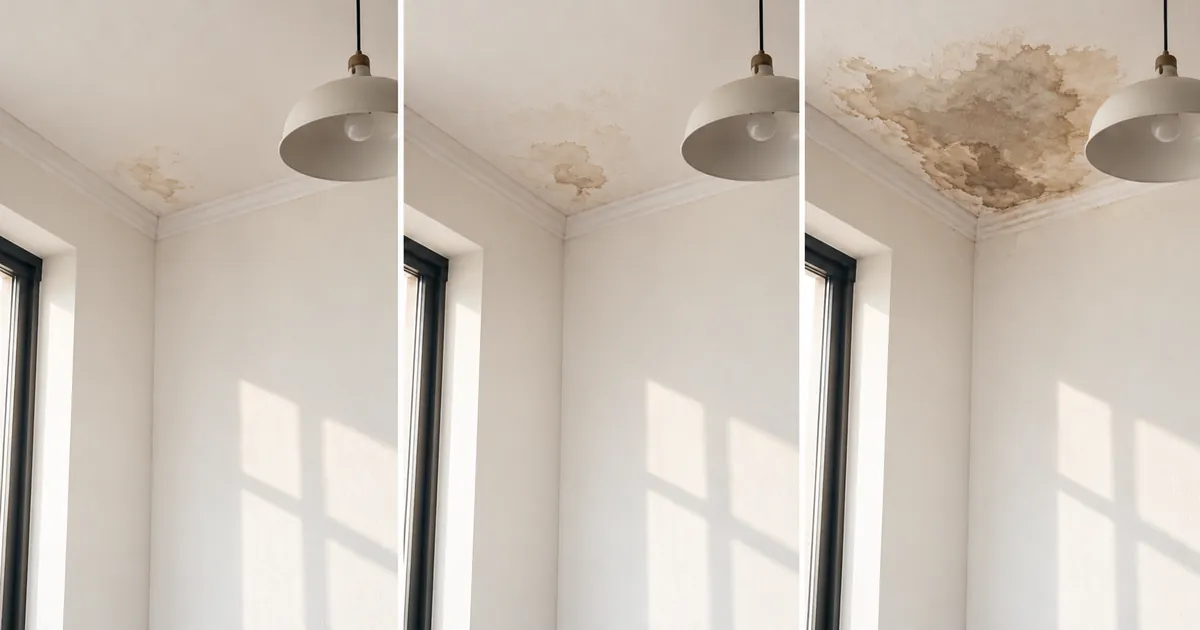
Water leaks: documenting them with photos and video
A damp patch changes over time. A series of photos from the same spot, with verifiable dates, helps document how it developed.
Read → -
Verifying a PEC: provider signature, daticert and receipts
A PEC is worth as much as the provider's signature and as much as what it covers. The envelope headers are not part of it: the data that counts is in daticert.xml, read from the signed part only.
Read → -
Digital evidence standards: ISO 27037, BagIt, CASE/UCO
Digital evidence holds up when it speaks the language judges and experts know. Here are the four standards that matter — ISO 27037, SWGDE, BagIt, CASE/UCO — and where you find them, file by file, in a real bundle.
Read → -

Move-in photos of a rental: how to make them evidence
Without a check-in inventory, defects found at the end risk being blamed on the tenant. Move-in photos give both sides a record of the property's condition.
Read → -
EML, EMLX and MSG: what a saved email really contains
The same message saved by three programs becomes three different files. Two keep the bytes that came from the server; the third breaks them into fields, and has to be rebuilt to be read.
Read → -
How the opposing party verifies digital evidence
In court the other side attacks trust itself: "who says it is genuine?". Evidence anyone can verify independently flips the question — and closes the technical debate.
Read → -
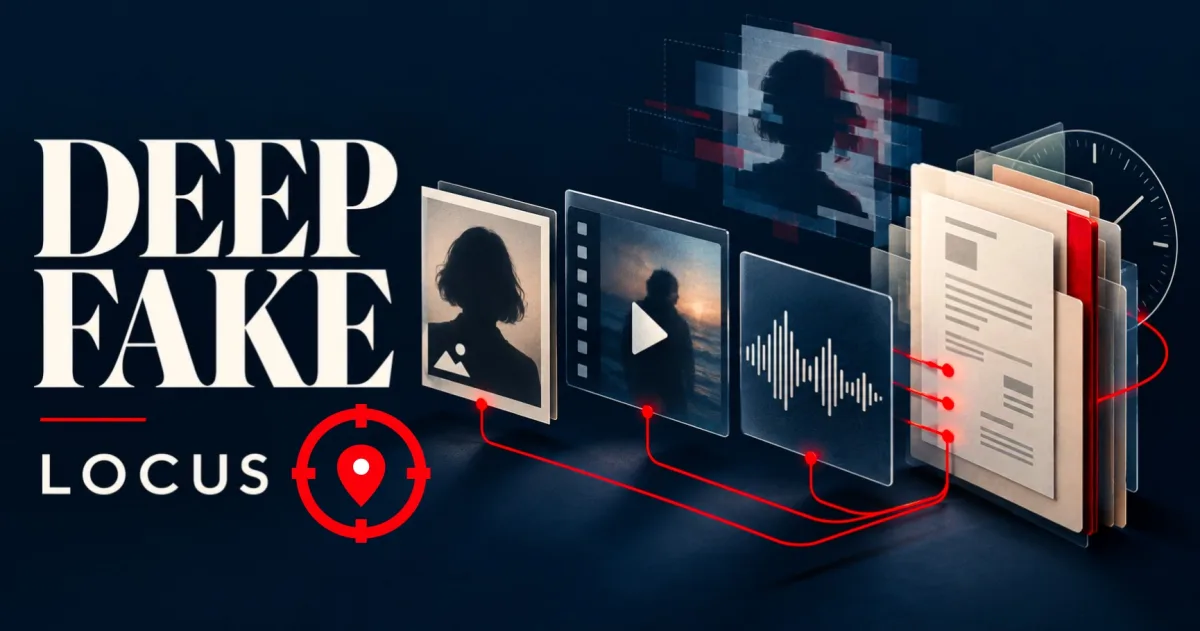
Deepfakes and Italian corporate liability: why documenting media origin protects your business
The unlawful distribution of content manipulated using artificial intelligence can also expose a company to liability. Documenting the origin of audiovisual material, preserving its integrity and keeping track of subsequent processing provides a practical safeguard. LOCUS helps businesses build this evidence from the moment of acquisition.
Read → -
Duplicate files: find and remove them without losing data
Finding duplicates is easy. Removing them without losing anything, and being able to prove afterwards what was removed and where it went, is the real work.
Read → -
Defamatory online review: how to capture the evidence
A fake or defamatory review can damage a business within hours — and disappear just as fast. Here is how to freeze it at once so it stands up in a case.
Read → -
Verifying .exe, .msi and .dmg code signatures anywhere
An .exe to check on a Mac, a .dmg on Windows: native tools do not cross the border. Which bytes a code signature really covers, and why «valid» does not mean «accepted by the system».
Read → -
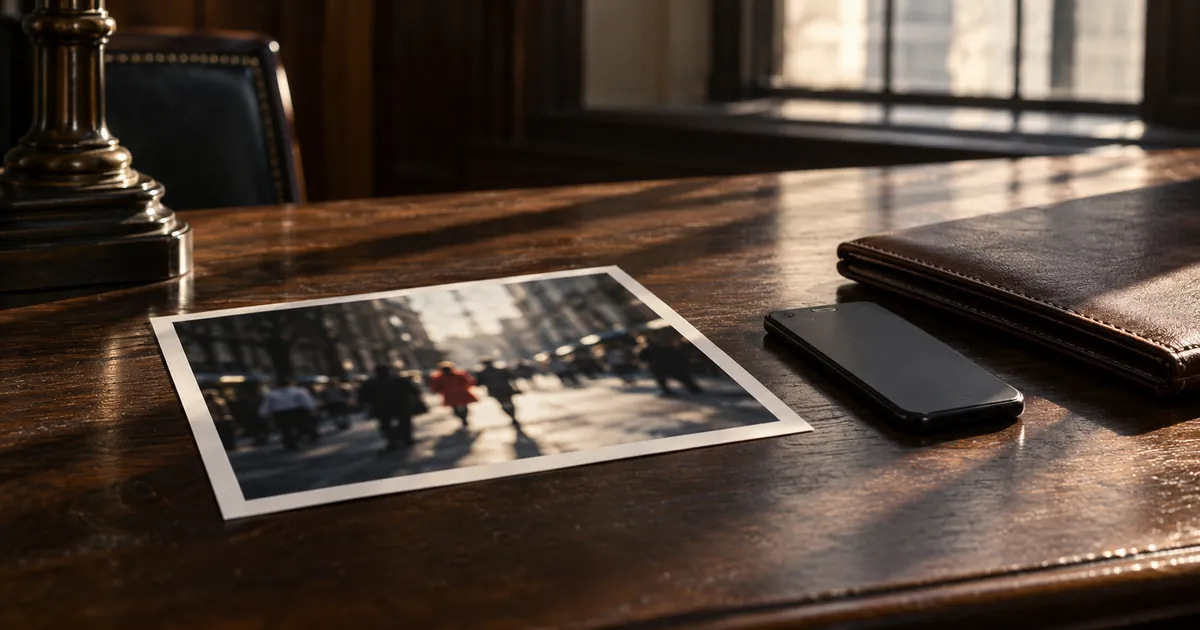
Does a photograph have legal value? What it takes to make one hold up
The honest answer is uncomfortable: it depends on how easy it is to challenge. A photo holds until someone raises a hand. The point is not taking a better picture — it is making it hard to dismantle.
Read → -
Forensic expert or self-service capture?
It is not always one or the other. Here, without hype, are the cases where capturing evidence yourself is enough — and the cases where a digital forensics expert is worth it.
Read →
Page 2 of 5 · 49 articles